
Cat Nutrition: What to Feed Your Cat and Why
By Carson Cats Rescue Team · March 16, 2026 · 8 min read
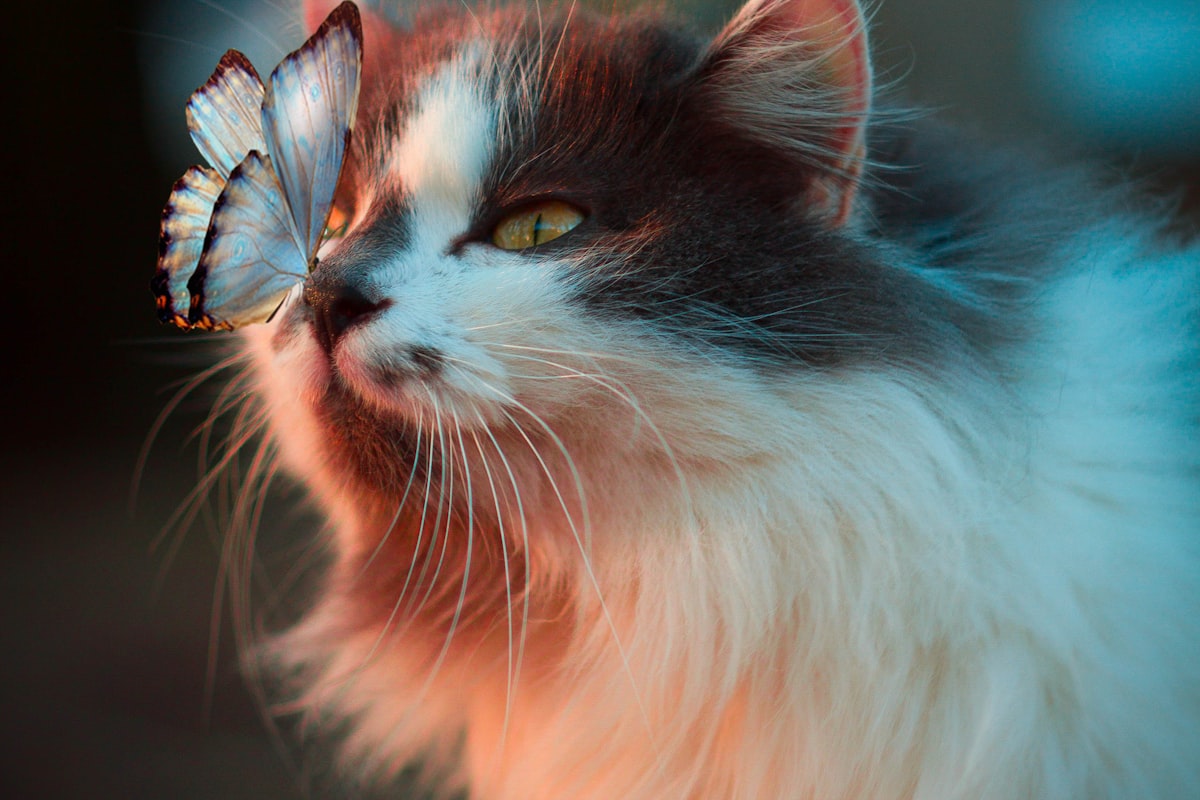
Understanding feline dietary needs — protein, moisture, life-stage foods, and the truth about grain-free and raw diets.
Obligate carnivores
Cats are obligate carnivores — they require nutrients found only in animal tissue, especially taurine, arachidonic acid, and vitamin A. Their diet must be built around high-quality animal protein.
Wet food vs. dry food
Wet food supplies moisture that helps prevent urinary tract disease and supports kidney health, especially in cats who don't drink much water. Many veterinarians recommend wet food as the primary diet, supplemented with a small amount of dry if desired.
Reading a pet food label
Look for an AAFCO statement confirming the food is 'complete and balanced' for your cat's life stage. Named animal proteins (chicken, turkey, salmon) should appear first on the ingredient list.
Life-stage nutrition
Kittens need calorie- and nutrient-dense kitten formulas until at least one year of age. Adult cats need moderate calories with high-quality protein. Senior formulas support kidney and joint health.
Foods to avoid
Never feed onions, garlic, chocolate, grapes, raisins, xylitol, alcohol, or raw bread dough. Cow's milk causes digestive upset in most cats. Consult your veterinarian before feeding raw diets — they carry infection risks for both cats and their humans.
Fresh water always
Provide multiple wide, shallow bowls of clean water. Many cats prefer moving water and drink more from pet fountains.